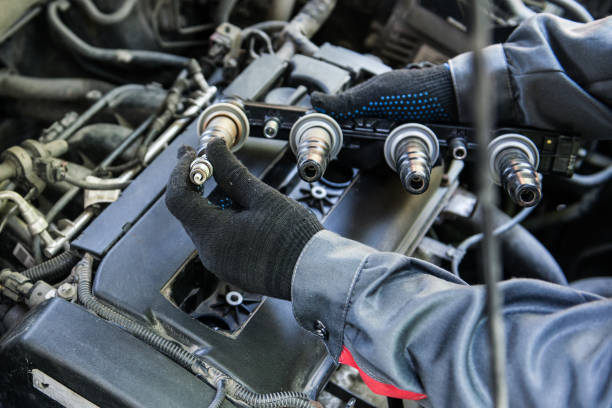
The Purpose of Automotive Components in Modern Transport
Every vehicle reflects thousands of design choices. These choices shape how parts interact. Automotive components carry these decisions into real-world use.
Parts must meet strict demands. They face heat, load, and constant motion. Designers focus on durability and fit to meet these needs.
Consider a cooling fan. It manages engine temperature during idle and traffic. Without it, heat builds fast and damages core systems.
Well-designed parts solve problems before they appear.
Modern vehicles also rely on accuracy. Electronics measure conditions in real time. This data helps systems adjust without driver input.
Systems That Depend on Automotive Components
Vehicle systems group parts by function.
- Motion, stability, cooling, and electrical systems guide performance.
Motion systems include engines, motors, and drivetrains. These parts deliver power to the wheels.
Stability systems help control movement. Suspension links and sensors work together to manage traction.
Cooling systems regulate heat. Radiators, pumps, and hoses protect engines and electronics.
Electrical systems connect everything. Wiring, sensors, and control units manage signals.
Example: A stable voltage supply protects sensitive control units during startup.
Stable systems rely on consistent input.
Selecting and Caring for Automotive Components
Proper selection extends service life. Parts designed for specific models fit better and last longer.
Routine inspection helps detect wear. Leaks, noise, and vibration signal early issues.
Pro Tip: Replace wear items before failure. Preventive action reduces downtime.
Examples show the benefit. Fresh brake pads protect rotors. Worn pads increase repair costs.
Long-term cost also depends on material choice. Stronger parts resist fatigue and corrosion.
Maintenance supports performance over time.
Where Vehicle Part Design Is Headed
Design trends aim for efficiency. Smaller, lighter parts reduce energy use.
Electronics continue to replace mechanical systems. This shift improves control and response.
Sustainability shapes material choice. Longer life and recyclability gain importance.
Manufacturers also improve service access. Clear layouts help reduce repair time.
Conclusion
Vehicles depend on thoughtful design and reliable parts. Each component supports safety and motion.
As technology evolves, parts will adapt to new demands. The purpose remains clear. Deliver consistent, controlled performance on every road.
Write Reviews
Leave a Comment
No Comments & Reviews