
Understanding ABA therapy for autism starts with understanding the science behind it. Applied behavior analysis is the use of behavioral principles and techniques to address socially important problems and bring about meaningful behavior change, not a vague or mysterious process happening behind closed doors.
Riley ABA and Autism Center serves children and adolescents with a medical diagnosis of autism spectrum disorder, ranging from eighteen months to five years old. Each program gets designed based on individual needs determined through a combination of assessments rather than a fixed curriculum applied uniformly.
What Does The Science Actually Say?
Behavior refers to all kinds of actions and skills, not just misbehavior, while environment includes physical and social events that might change or be changed by a person’s behavior. This framework helps explain why environment based interventions work so effectively for many children with autism.
Why Does Environment Matter So Much?
Since behavior responds directly to environmental factors, adjusting those factors intentionally can shape learning in powerful ways. A well designed treatment environment removes unnecessary obstacles while creating clear, consistent opportunities for a child to practice new skills successfully.
What Is The Actual Goal Of Treatment?
The goal of every child’s program is to close the gap between their current skill set and those of typically developing peers. This framing matters because it focuses on genuine growth and opportunity rather than framing autism itself as something requiring correction or elimination.
How Does This Shape Daily Sessions?
That goal shapes daily sessions in tangible ways, from how activities get chosen to how therapists respond to challenging moments. Structured play, group games, and individualized instruction all serve this broader purpose of building genuine capability rather than simple compliance.
What Techniques Get Used Regularly?
Decades of research have produced many techniques for increasing useful behaviors and reducing those that are harmful or interfere with learning. Some of the most common approaches used during sessions include:
- Positive reinforcement following desired behaviors
- Structured prompting and gradual prompt fading
- Task analysis breaking skills into smaller steps
- Consistent data collection to track real progress
These techniques work together rather than in isolation, forming a cohesive approach guided by ongoing assessment data collected throughout treatment.
Who Actually Delivers This Treatment?
All therapists undergo intensive training in the principles of applied behavior analysis and are Registered Behavior Technicians certified by the Behavior Analytic Certification Board. Every therapist also holds CPR and First Aid certification before working directly with children.
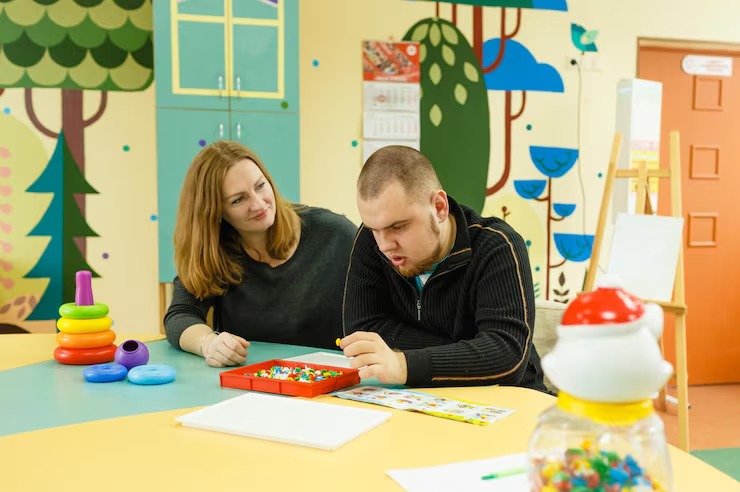
A Board Certified Behavior Analyst oversees the entire process, ensuring treatment stays consistent, evidence based, and genuinely responsive to each child’s evolving needs throughout their time at the center.
How Does This Compare To Outdated Approaches?
Older approaches to autism intervention sometimes focused heavily on suppressing behavior without addressing underlying needs. Modern Autism behavioral therapy Kansas City families receive today looks quite different, prioritizing skill building and genuine understanding over simple compliance.
This shift reflects broader progress within the field itself, informed by decades of research and a growing emphasis on respecting each child’s individuality throughout treatment.
Final Thoughts
ABA therapy for autism works best when it stays grounded in solid science while remaining genuinely responsive to each child as an individual. Riley’s approach reflects exactly that balance, combining research backed techniques with real warmth and flexibility.
Families considering treatment should feel confident asking how these principles get applied specifically to their child’s unique situation and needs.
FAQs
What age range does this treatment typically serve?
Generally eighteen months to five years old with a confirmed autism diagnosis.
Does ABA try to change a child’s personality?
No, the goal is closing skill gaps while respecting each child’s individuality.
Are all therapists specifically trained in ABA principles?
Yes, all therapists complete intensive training and hold RBT certification.
Write Reviews
Leave a Comment
No Comments & Reviews